
Building a maintenance plan for an industrial ozone generator
A maintenance plan is most useful when it describes the installed equipment, the duty it performs and the people responsible for it. For an industrial ozone generator, that means connecting model documentation with operating history, utility conditions and realistic opportunities to inspect the system.
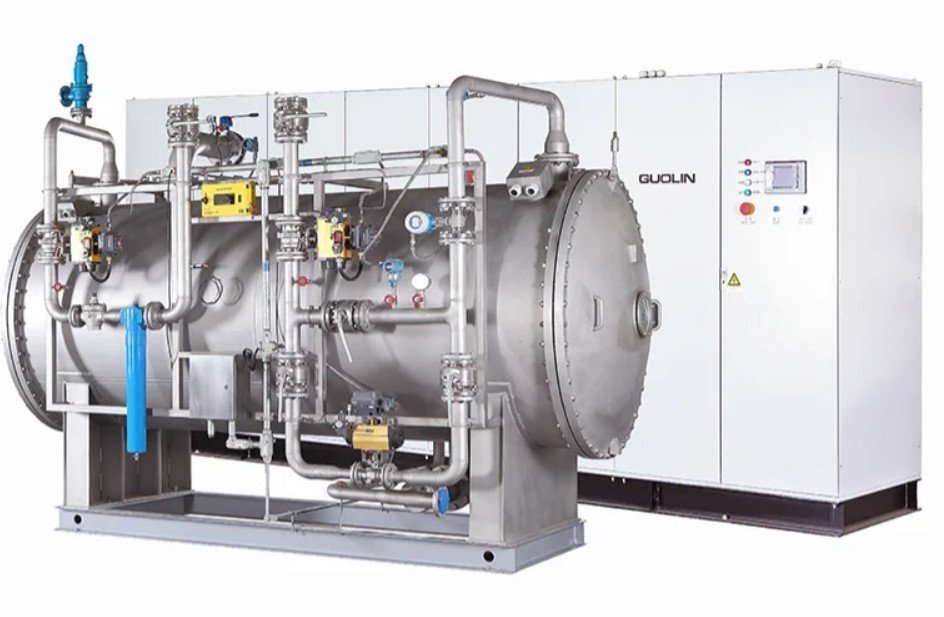
Start with the installed configuration
Record the generator model, serial number, relevant document revisions and the supporting equipment. Include changes made since commissioning. A plan written for a different configuration can send a technician to the wrong component or leave an important auxiliary duty unassigned.
The generator documentation is the starting point for model-specific requirements. Identify which tasks belong to trained site staff and which require qualified service personnel. The resulting task list should reference the applicable instructions and conditions.
Include the surrounding utilities. Feed-gas preparation and cooling arrangements influence the conditions under which the generator operates. Their maintenance responsibilities should remain visible alongside those of the generating equipment.
Make the operating log useful to a technician
Choose records that help explain a change: operating hours, production duty, process readings, feed-gas conditions, cooling observations and alarms. Link those records to the date, equipment identity and production state.
In an illustrative installation, operators notice a recurring alarm during a particular production period. A timestamped log allows the service team to compare the event with utility and process records. That is more informative than an isolated message saying that output is low.
| Plan item | Information to retain |
|---|---|
| Routine observation | Relevant reading, operating state and observer |
| Planned task | Instruction reference, responsible person and completion record |
| Component work | Part identity, reason and equipment configuration |
| Abnormal event | Alarm history, conditions and authorised follow-up |
Fit maintenance into the production calendar
Use the manufacturer’s requirements and the site’s operating history to plan inspections and servicing. Assign access, isolation, specialist attendance and the expected operational impact before booking the shutdown.
Group compatible tasks where that makes practical sense. Confirm that tools, documentation and agreed parts will be available. Include a plan for the process while the ozone equipment is unavailable, especially where the site relies on a tightly scheduled production window.
Agree spares and service boundaries
A spare-parts discussion should identify components, compatibility, storage needs and supply arrangements for the actual model. Procurement can then distinguish parts held on site from items requiring external supply.
Service agreements should define scope, working hours, territory, communication and response arrangements. Attendance times and included work belong in that agreement. The services overview supports the discussion, while technical documents help establish the installed configuration and relevant requirements.
Prepare an effective service enquiry
For the first contact, send the model, site location and a short description of the issue. The next exchange can collect serial details, alarm records and selected operating data through a tailored request.
After intervention, retain the findings, work completed, parts used and recommendations. Updating the maintenance plan from that record gives the next technician a clearer starting point and helps operations plan the next review on evidence from this installation.